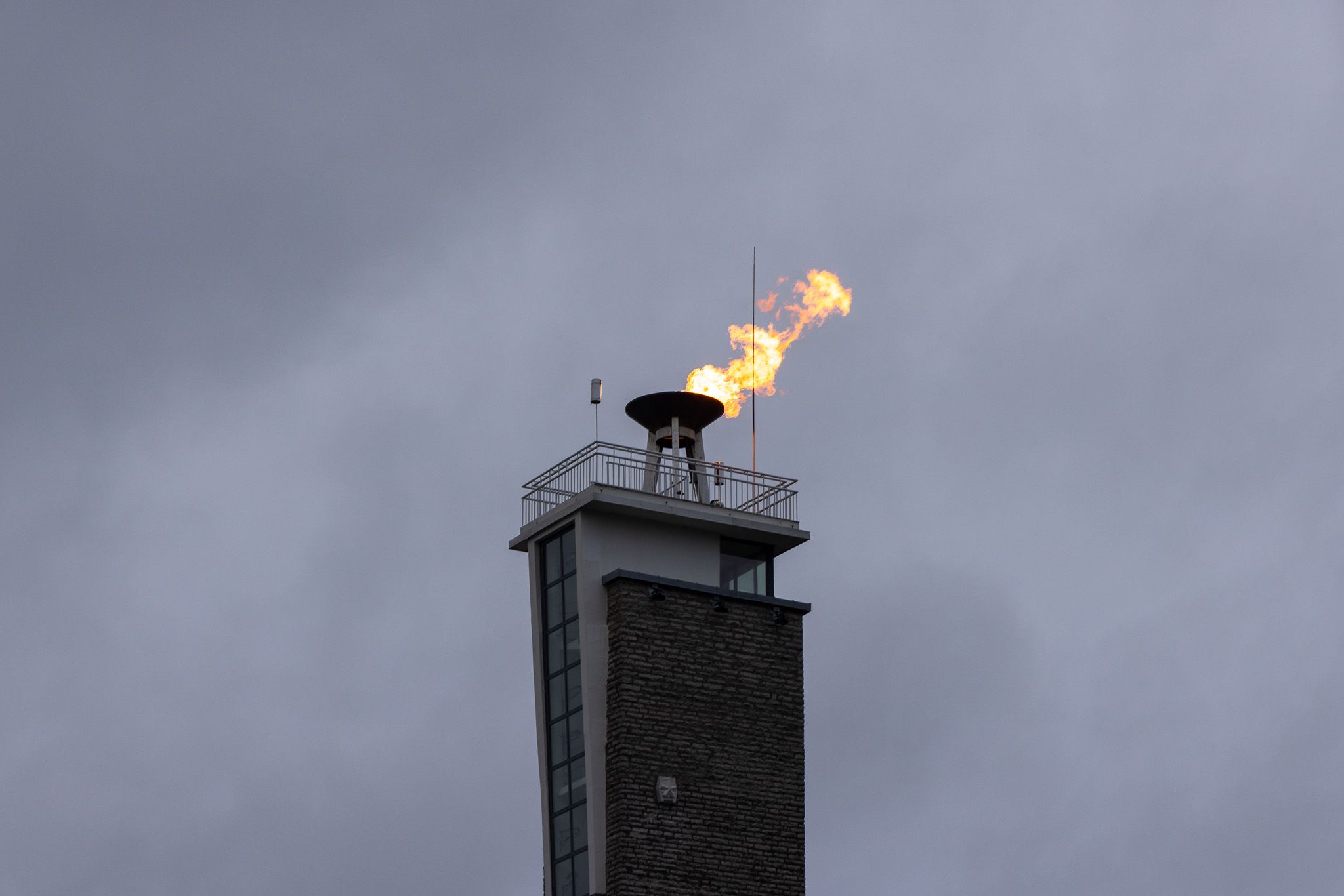
Laulupidu XXVIII — the Estonian Song Celebration
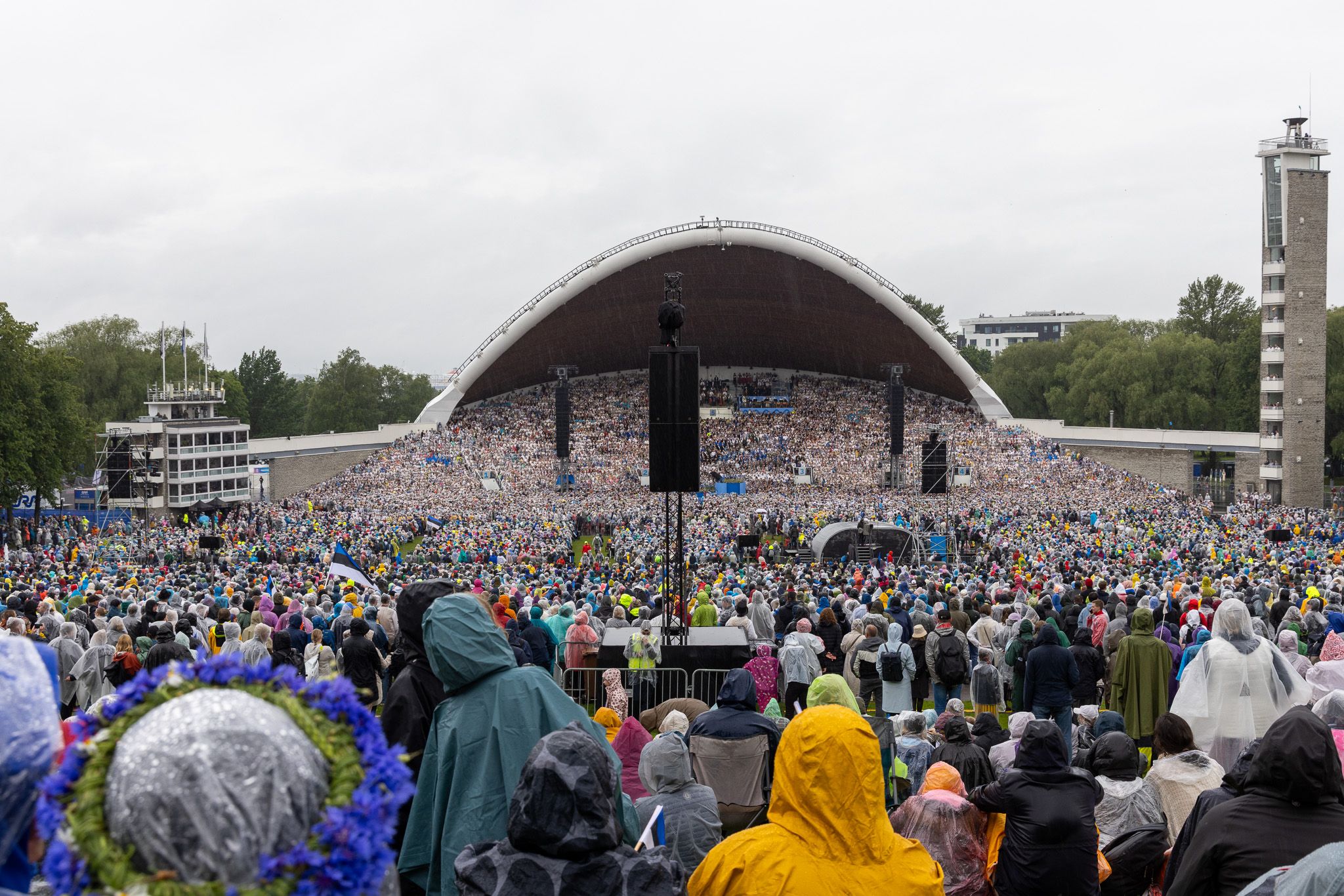
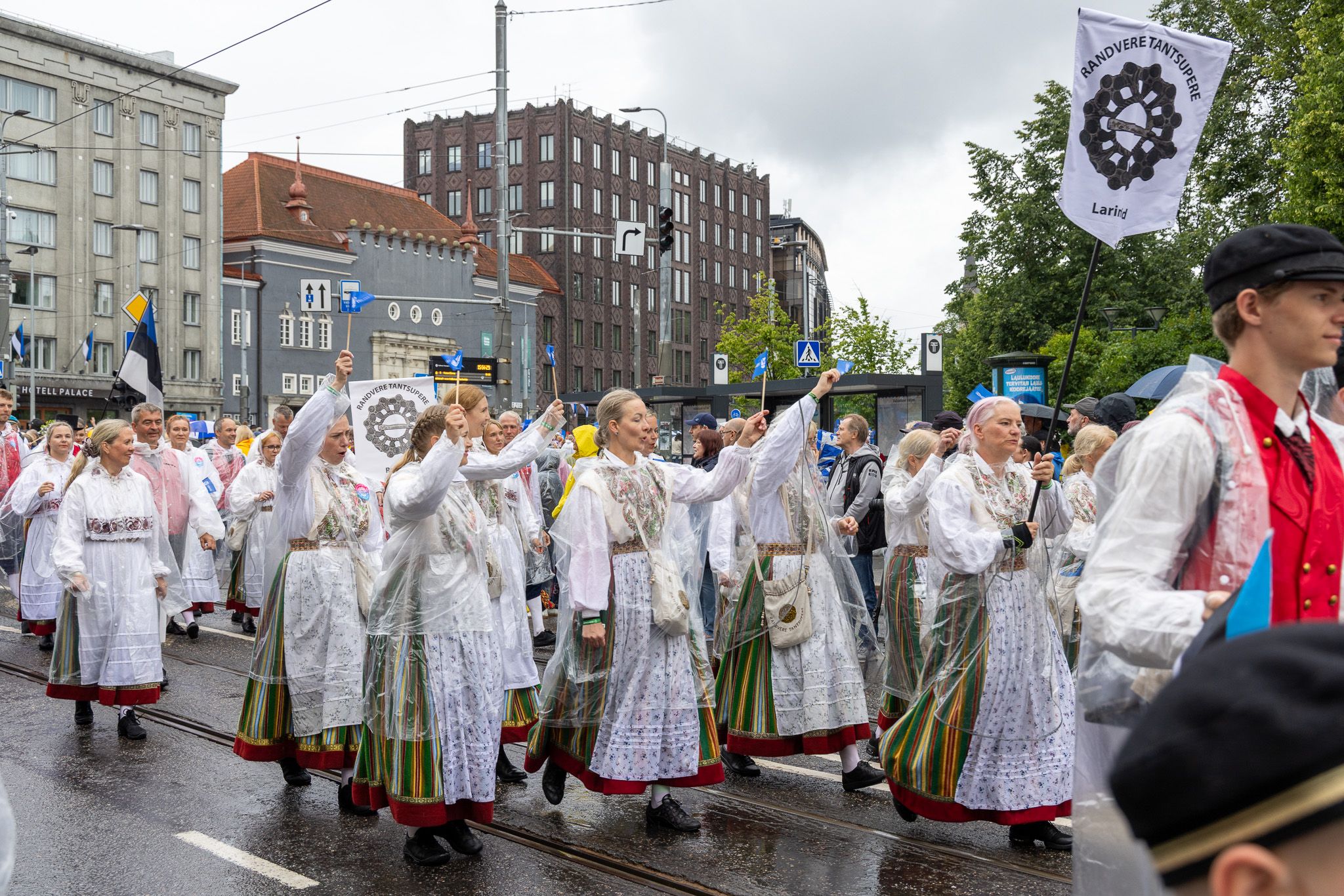
Laulupidu is the Estonian Song Celebration, held every 5 years. It is a very large-scale event. The 2025 event was the 28th celebration, with more than 30,000 performers and 100,000 attendees. For Estonia, a country with a population of only over a million, it is truly a massive, nationwide celebration. The parade began at Vabaduse väljak (Freedom Square) in the city center, and participants sang and walked along the road for about 1 hour (over 4 km) to the performance venue, Tallinna Lauluväljak. At the opening ceremony, everyone sang the national anthem together, and then unfolded a three-day performance.
It is said that in the past, Estonians solidified their collective identity through the power of songs, symbolizing the Estonian nation’s awakening.
The partial lyrics of the Estonian national anthem, “Mu isamaa, mu õnn ja rõõm” is:
Mu isamaa, mu õnn ja rõõm,
kui kaunis oled sa!
Ei leia mina iial teal
see suure, laia ilma peal,
mis mul nii armas oleks ka,
kui sa, mu isamaa!
Translated into English:
My fatherland, my joy and happiness,
How beautiful you are!
I shall not find such ever
In this huge wide world
Which would be so dear to me
As you, my fatherland!
That is incredibly moving for someone who grew up in Taiwan, where our national anthem starts with
三民主義,吾黨所宗。⋯⋯
It means “The Three Principles of the People are the guiding principles of our Party”. The main objective and target audience of the lyrics lean towards “the Party”, the KMT (Chinese Nationalist Party), rather than the ordinary citizens.
Compared to Taiwan, the Estonian national anthem expresses far more love and blessing for the homeland, while the Taiwanese anthem emphasizes more about mobilization, combat, and working toward goals “for the Party.” I had never imagined that in this beautiful northern country, people would love their country so deeply, and the country, in turn, could treat its citizens with kindness.
We were so lucky to join this celebration. With thousands of people standing together and singing the national anthem, the emotion is beyond words. I hope that one day Taiwan can officially correct its name to Taiwan instead of “Republic of China” and finally have an anthem that truly belongs to all its citizens.
第 28 屆愛沙尼亞歌曲節 — Laulupidu XXVIII
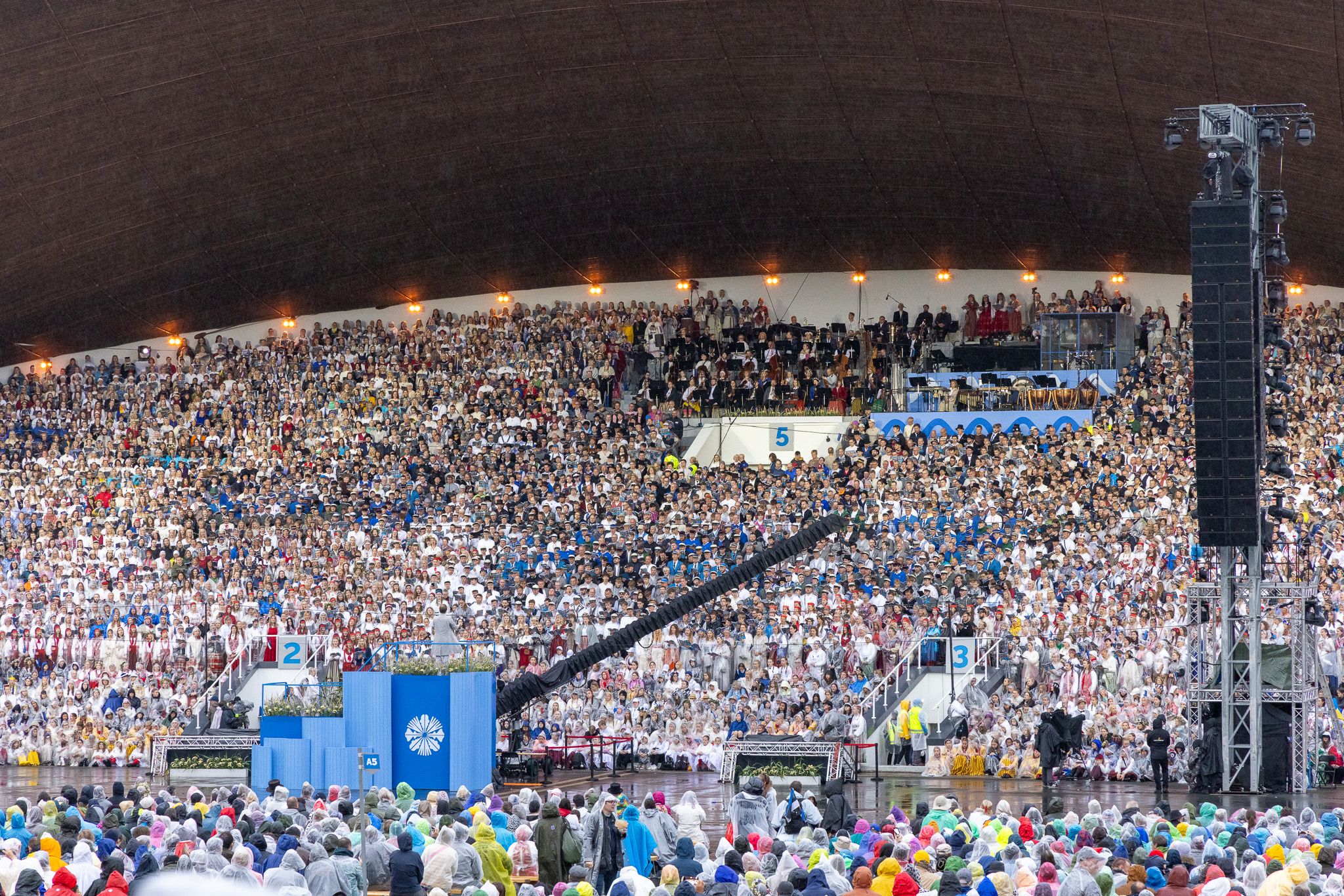
Laulupidu 是愛沙尼亞五年一度的歌曲節。它的規模非常盛大,2025 年是第 28 屆,有超過三萬名表演者和十萬名觀眾,對於只有一百多萬人口的愛沙尼亞來說,幾乎是舉國歡騰的盛事。大家會從市區的自由廣場 (Vabaduse väljak) 開始遊行,步行約一小時到四公里外的表演會場 Tallinna Lauluväljak,開幕式時大家會一起唱國歌,然後展開為期三天的表演。
據說當年愛沙尼亞正是藉由集體歌唱的力量,透過歌聲凝結共同身份,並象徵著愛沙尼亞的民族覺醒。
愛沙尼亞的國歌《Mu isamaa, mu õnn ja rõõm》部分歌詞:
Mu isamaa, mu õnn ja rõõm,
kui kaunis oled sa!
Ei leia mina iial teal
see suure, laia ilma peal,
mis mul nii armas oleks ka,
kui sa, mu isamaa!
翻成中文是
我的祖國,我的幸福與快樂,
你多麼美麗!
在這廣闊的世界裡,我永遠找不到
像你,我的祖國,這樣對我如此珍貴的地方!
對於一個在台灣長大的人來說,這非常的令人感動。因為在台灣,我們的國歌歌詞是這樣開頭的:
三民主義,吾黨所宗。⋯⋯
它的意思是:三民主義是我們黨的指導原則。歌詞的主要主體和目標的受眾更偏向 「黨」,也就是中國國民黨,而不是一般的國民。
跟台灣相比,愛沙尼亞的國歌表達了更多關於祖國的愛和祝福,而台灣的國歌則是說了更多動員戰鬥和要努力 「為了黨」 的目標。我從未想過,在這個北方美麗的國度,那裡人民愛著自己的國家,國家也善待著他們。
我們很幸運的可以參加這個盛會。當一群人一起站著唱國歌,那份感動難以言喻。希望有朝一日,台灣能正名為台灣,而不是中華民國,而有一首真正屬於全體台灣人民的國歌。